Showing all 8 results
-
Sale!
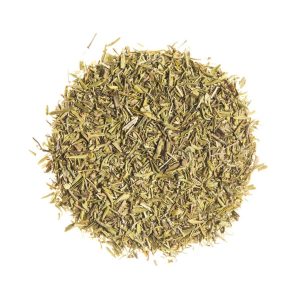
Ayahuasca Tea Kit – Mimosa and Caapi
Price range: $99.00 through $1,100.00 Select options This product has multiple variants. The options may be chosen on the product page -

Dimethocaine ( Bath Salts, Eric 3, Mdat, Nps, Plant Food)
Price range: $60.00 through $1,100.00 Select options This product has multiple variants. The options may be chosen on the product page -
Sale!

Iboga (Ibogaine)
Price range: $200.00 through $1,000.00 Select options This product has multiple variants. The options may be chosen on the product page -

JWH 018 Spray For Sale
Price range: $350.00 through $3,000.00 Select options This product has multiple variants. The options may be chosen on the product page -

JWH-018 For Sale Online
Price range: $200.00 through $3,000.00 Select options This product has multiple variants. The options may be chosen on the product page -

K2 Spice Paper
Price range: $200.00 through $2,000.00 Select options This product has multiple variants. The options may be chosen on the product page -
Sale!
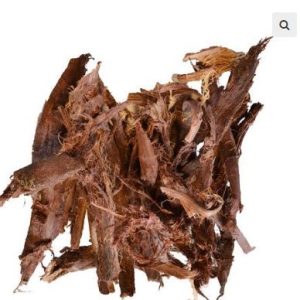
Mimosa hostilis – Inner root bark – Whole | Jurema Preta
Price range: $65.00 through $900.00 Select options This product has multiple variants. The options may be chosen on the product page -
Sale!
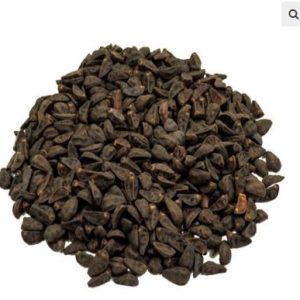
Morning Glory – Ipomoea Tricolor
Price range: $80.00 through $750.00 Select options This product has multiple variants. The options may be chosen on the product page
Psychoactive Herbs Online at Planex Psychedelics – Buy Premium Legal Entheogens, Smokable Herbs & Mind-Altering Plants Discreetly
Welcome to the definitive guide on Psychoactive Herbs Online. At Planex Psychedelics, we are committed to providing education and access to high-quality, ethically sourced plant medicines. This comprehensive resource explores the vast world of plants that alter consciousness, their traditional uses, legal status, and how to navigate the modern online marketplace safely. Whether you are an experienced psychonaut or a curious beginner, understanding these powerful herbs is the first step toward responsible exploration. Visit our main site to begin your journey.
Psychoactive Herbs Online
The digital age has revolutionized access to Psychoactive Herbs Online. What was once knowledge passed down through generations or found in obscure ethnobotanical texts is now available at your fingertips. However, this accessibility comes with the need for greater discernment. Reputable online sources prioritize lab testing, detailed product information, and educational resources over flashy marketing. When searching for Psychoactive Herbs Online, look for vendors who provide clear origins, usage guidelines, and are transparent about the legal status of their products in your region. Your safety and understanding are paramount.
Buy Psychoactive Herbs Online
Deciding to Buy Psychoactive Herbs Online is a significant step that requires careful consideration. A trustworthy vendor, like Planex Psychedelics, ensures that every transaction is secure, discreet, and backed by customer support. The process should be straightforward: browse curated categories, read detailed descriptions of effects and dosages, and check for any legal disclaimers. When you Buy Psychoactive Herbs Online, you are not just purchasing a product; you are investing in an experience. Therefore, prioritize quality and purity over the lowest price to ensure a safe and meaningful journey.
Psychoactive Herbs Shop
Navigating a psychoactive herbs shop online is different from a typical e-commerce experience. The best shops function as digital apothecaries, offering not just products but wisdom. In a quality psychoactive herbs shop, you should find clear categorization—separating smokable blends from tinctures or raw botanicals. Each listing should explain the traditional use, active ingredients, and potential effects. This educational approach empowers you to make informed choices, turning a simple transaction into a step on your path of discovery.
Entheogenic Plants for Sale
The term "entheogen" refers to substances used in a spiritual or religious context to connect with the divine. When you find Entheogenic plants for Sale, you are encountering species that have been revered for millennia by indigenous cultures. Plants like Salvia divinorum or various species of morning glory (containing LSA) fall into this category. Vendors offering Entheogenic plants for Sale have a responsibility to honor that cultural heritage, providing them with respect and context. This is a key principle upheld by trusted sources like Medibopsychedelics.com, which often focuses on the sacramental and healing aspects of these plants.
Psychoactive Herbs Buy
Before you decide to Psychoactive herbs buy, it is crucial to define your intention. Are you seeking relaxation, meditation aid, creative inspiration, or introspective depth? Different herbs serve different purposes. For example, Kava is known for its calming, sociable effects, while Blue Lotus offers mild euphoria and dream enhancement. Knowing your goal will guide your choice. When you are ready to Psychoactive herbs buy, start with small quantities to understand how your body reacts. This cautious approach is the hallmark of a wise explorer.
List of Psychoactive Herbs
Creating a definitive list of psychoactive herbs is challenging because new species with active compounds are continually being identified. However, a foundational list of psychoactive herbs includes well-documented plants such as:
-
Kratom (Mitragyna speciosa): Known for stimulant and sedative effects depending on dose.
-
Blue Lotus (Nymphaea caerulea): Used in ancient Egypt for its mild euphoric and dream-enhancing properties.
-
Kava Kava (Piper methysticum): Prized in the South Pacific for its calming, anxiolytic effects.
-
Calea zacatechichi: Known as the "dream herb," used by the Chontal people to induce lucid dreaming.
-
Silene capensis: An African root also used to stimulate vivid dreams.
This is just a starting point for any serious student of psychoactive flora.
Psychoactive Herbs Legal
The question of which psychoactive herbs legal are is one of the most complex and important topics in this field. The legality varies dramatically from country to country and even state to state. Some herbs, like Kava and Blue Lotus, are legal in many parts of the world. Others exist in a grey area, being legal to possess but not for human consumption. It is your personal responsibility to research the laws in your jurisdiction before acquiring any psychoactive herbs legal status may change. Reputable vendors will often provide guidance but cannot offer legal advice.
Herbs with Psychoactive Effects
Many common garden plants are actually herbs with psychoactive effects. For instance, various species of sage (Salvia) have potent properties, and even nutmeg, in high doses, can produce psychoactive effects, though these are often unpleasant and potentially toxic. Understanding that there are many common herbs with psychoactive effects helps demystify the plant world. It reminds us that nature's chemistry is complex and that substances we might overlook can have profound impacts on human consciousness.
List of Psycoactive Leaves
A fascinating list of psycoactive leaves [sic] would be dominated by the diverse genus Salvia. While Salvia divinorum is the most famous for its powerful visionary effects, many other sage leaves have been used in traditional medicine and rituals. Other notable entries on any list of psycoactive leaves include the leaves of the Kratom tree and the Lotus flower. These leaves are often dried and smoked, brewed into teas, or chewed, showcasing the varied methods of ingestion used across cultures to access their active properties.
Most Hallucinogenic Plant
Nominating a single most hallucinogenic plant is subjective, as potency and experience vary. However, contenders for the title of most hallucinogenic plant often include Salvia divinorum for its intense, short-lived, and reality-dismantling effects, and the San Pedro or Peyote cacti (containing mescaline) for their profound, lengthy, and visually rich visions. The most hallucinogenic plant in terms of raw alkaloid content might be different from the one that produces the most spiritually significant experience, reminding us that potency is not the only measure of a plant's value.
Herbs with Psychoactive Ingredients
It is essential to understand that herbs with psychoactive ingredients contain specific chemical compounds that interact with our neurochemistry. For example, Kratom leaves contain mitragynine and 7-hydroxymitragynine, which bind to opioid receptors. Blue Lotus contains apomorphine and nuciferine. Learning about these herbs with psychoactive ingredients and their active compounds is a fundamental part of harm reduction. It allows you to anticipate effects, understand potential interactions with medications, and approach each plant with the respect it deserves as a powerful substance.
Drugs that Originate from Plants
Many modern pharmaceuticals are actually drugs that originate from plants. Aspirin comes from willow bark, morphine from the opium poppy, and some modern antidepressants are inspired by compounds found in St. John's Wort. This connection highlights the thin line between a "drug" and a "herb." When we discuss drugs that originate from plants in the context of psychoactive herbs, we are talking about the raw, unprocessed, or minimally processed botanical materials that contain these powerful compounds, used in their natural form as they have been for centuries.
Psychoactive Smokable Herbs
There is a wide variety of psychoactive smokable herbs that are often used alone or in blends to alter consciousness or as a tobacco/ cannabis substitute. Popular psychoactive smokable herbs include:
-
Wild Dagga (Leonotis leonurus): Offers mild, cannabis-like euphoria.
-
Blue Lotus: Provides relaxation and mild euphoria when smoked.
-
Mullein: Often used as a base in blends, with mild expectorant properties.
-
Skullcap: Known for its relaxing and mildly sedative effects.
Smoking these herbs is one of the fastest ways to feel their effects, but it also requires caution regarding respiratory health.
Legal Herbs That Cause Hallucinations
The search for legal herbs that cause hallucinations is common, but it requires a nuanced understanding. True hallucinogens like those containing DMT or mescaline are strictly controlled in most countries. However, some legal herbs that cause hallucinations or profound alterations in perception exist. Salvia divinorum is legal in some places, and Calea zacatechichi can enhance dream vividness to a hallucinatory level. Others like Hawaiian Baby Woodrose seeds (containing LSA) often exist in a legal grey area. The landscape of legal herbs that cause hallucinations is constantly shifting with legislation, so ongoing research is vital.
Herbs That Can Cause Hallucinations
It is crucial to understand that herbs that can cause hallucinations are powerful and should be treated with the utmost respect. The experiences they induce are not always pleasant and can be overwhelming, especially for the unprepared. Herbs that can cause hallucinations often work best within a structured setting, such as a ceremonial context or a quiet, safe space with a trusted guide. The mindset of the user and the physical setting (the "set and setting") are arguably as important as the herb itself in shaping the experience.
High Quality Psychedelic Herbs Products
At Planex Psychedelics, we are dedicated to providing High quality Psychedelic Herbs products. This commitment means sourcing our botanicals from ethical growers, ensuring they are free from contaminants, and storing them properly to preserve potency. High quality Psychedelic Herbs products are characterized by vibrant color, strong aroma, and clear labeling regarding origin and alkaloid content. When you invest in High quality Psychedelic Herbs products, you are ensuring a safer and more reliable experience, honoring the plant and the tradition from which it comes.
Common Plants That Are Psychoactive
You might be surprised by the common plants that are psychoactive growing in your own garden or local park. For example:
-
Passion Flower (Passiflora incarnata): Contains harmala alkaloids, which are mild MAOIs.
-
Catnip (Nepeta cataria): Has a mild sedative effect on humans, though it excites cats.
-
California Poppy (Eschscholzia californica): Offers mild anxiolytic and sedative effects.
Recognizing these common plants that are psychoactive helps us appreciate the subtle ways nature interacts with our minds every day, long before we seek out more potent species.
Psychoactive Plants
The study of psychoactive plants is a journey into ethnobotany, history, and neuroscience. Psychoactive plants have been used for millennia in healing ceremonies, rites of passage, and for recreational purposes across every continent. From the Amazonian vine ayahuasca to the Siberian fly-agaric mushroom (a fungus, not a plant, but often grouped in discussions), psychoactive plants have shaped human culture, religion, and philosophy. They are a testament to humanity's enduring quest to explore the nature of consciousness itself.
Plants That Make You Hallucinate
The category of plants that make you hallucinate includes some of the most revered and feared species on earth. Beyond the well-known cacti and fungi, there are plants that make you hallucinate like the Brugmansia (Angel's Trumpet), which contains potent anticholinergic compounds that induce delirium and terrifying visions. This distinction is critical: plants like Brugmansia are toxic and their effects are often described as a poison-induced psychosis rather than a visionary journey. This underscores the absolute necessity of thorough research and caution with any plants that make you hallucinate.
List of Psychoactive Plants Wikipedia
For those seeking a scholarly overview, the list of psychoactive plants wikipedia is an excellent starting point. It provides a vast, though not exhaustive, catalog of species from around the world, often citing botanical names, common names, and active compounds. Consulting the list of psychoactive plants wikipedia can help you identify plants of interest and then conduct deeper, more focused research using academic texts and reputable ethnobotanical sources. It's a valuable tool for building a foundational understanding of the diversity of psychoactive flora.
List of Mind Changing Plants
A list of mind changing plants is essentially a list of plants that alter our perception, mood, or consciousness. This broad category includes not only hallucinogens but also stimulants (like Khat), sedatives (like Kava), and hypnotics (like Valerian). Compiling a list of mind changing plants helps us see the spectrum of psychoactivity, from the subtle calming of chamomile to the profound visions of ayahuasca. It reminds us that the desire to alter our mental state is a universal human trait, and plants have been our primary tool for doing so.
Plants That Make You Addicted
The topic of plants that make you addicted is serious and often misunderstood. While substances like opioids from poppies and cocaine from coca leaves have a high potential for addiction, it is less commonly discussed with herbs like Kratom. Kratom interacts with opioid receptors and can lead to physical dependence and withdrawal symptoms with chronic, heavy use. Understanding plants that make you addicted is not about fear-mongering but about responsible use. It means recognizing that "natural" does not automatically mean "safe from addiction," and that all powerful plants deserve respect and moderation.
Flowers That Make You Hallucinate
The idea of flowers that make you hallucinate has a poetic and enchanting quality. Some notable flowers that make you hallucinate include the aforementioned Blue Lotus and various species of morning glory, whose seeds contain LSA. The beautiful Angel's Trumpet flower is another, though its use is extremely dangerous due to its toxicity. The existence of flowers that make you hallucinate serves as a beautiful reminder that some of nature's most potent magic is hidden in plain sight, within the delicate petals of plants we might otherwise overlook.
List of Hallucinogenic Plants
Creating a comprehensive list of hallucinogenic plants is a task that spans many ecosystems and cultures. Such a list of hallucinogenic plants would include:
-
Psychotria viridis (containing DMT)
-
Banisteriopsis caapi (containing MAOIs)
-
Lophophora williamsii (Peyote, containing mescaline)
-
Echinopsis pachanoi (San Pedro, containing mescaline)
-
Ipomoea tricolor (Morning glory, containing LSA)
-
Salvia divinorum (containing salvinorin A)
-
Amanita muscaria (a fungus, but often included, containing muscimol)
Each entry on this list of hallucinogenic plants opens a door to a unique world of experience, chemistry, and cultural tradition.
Psychoactive Herbs and Spices
The world of Psychoactive herbs and spices extends into the culinary realm. Nutmeg, in high doses, is a well-known example of a Psychoactive herbs and spices item that can induce delirium. Other common spices like saffron have mood-altering properties and are being studied for their antidepressant effects. Exploring Psychoactive herbs and spices reveals that the line between the kitchen and the apothecary has always been blurred, with food and medicine intertwined in traditional cultures.
Psychoactive Plants by Region
A fascinating way to study this topic is to look at Psychoactive plants by region. In North America, you have Peyote and various species of sage. In South America, the ayahuasca brew components reign supreme. Africa is home to Kratom, Iboga, and Khat. Asia offers the Betel nut and various forms of cannabis. Australia has the pituri plant. Studying Psychoactive plants by region shows how each culture developed relationships with the unique flora of its homeland, creating distinct traditions of plant-based shamanism and healing.
Psychoactive Herbs to Smoke
Many users seek Psychoactive herbs to smoke for their rapid onset and ritualistic nature. Popular Psychoactive herbs to smoke include various types of sage, Blue Lotus, Wild Dagga, and sometimes even blends that combine multiple herbs for a synergistic effect. Smoking Psychoactive herbs to smoke requires the right preparation—drying and curing the herb properly to ensure a smooth burn and effective vaporization of the active compounds. It is a direct and immediate way to connect with the spirit of the plant.
Hallucinogenic Plants PDF
For the serious researcher, finding a comprehensive Hallucinogenic plants PDF can be an invaluable resource. Academic papers, ethnobotanical field guides, and even historical texts are often available in Hallucinogenic plants PDF format. These documents allow for offline study and can contain detailed chemical analyses, cultivation information, and cultural context that is not found on commercial websites. Searching for a specific Hallucinogenic plants PDF on a topic like "Salvia divinorum chemistry" or "Mescaline-containing cacti" can yield high-quality, peer-reviewed information.
Psychedelic Flower Plant
The term Psychedelic flower plant often conjures images of vibrant, otherworldly blooms. While not all Psychedelic flower plant species have showy flowers (e.g., the Peyote cactus has small, subtle flowers), some, like the various species of morning glory and the strikingly beautiful San Pedro cactus, are prized as ornamentals. The duality of the Psychedelic flower plant—existing as both a decorative addition to a garden and a powerful tool for consciousness exploration—is a fascinating aspect of their nature.
Plants with Psychoactive Leaves
As discussed, there are many plants with psychoactive leaves. The Kratom tree is perhaps the most commercially significant example of plants with psychoactive leaves in the Western online market. The leaves of the Khat shrub are chewed in East Africa for their stimulant effects. The leaves of the Coca plant have been used for millennia in the Andes. Focusing on plants with psychoactive leaves highlights a specific part of the plant that is often harvested sustainably, allowing the plant to continue growing and producing.
Psychoactive Plants in North America
The continent is home to a rich variety of Psychoactive plants in North America. Indigenous peoples have used species like Peyote in the southwest for millennia in religious ceremonies. Other Psychoactive plants in North America include various species of Sophora (containing cytisine), Lobelia (containing lobeline, which has nicotine-like effects), and of course, the countless species of magic mushrooms that grow wild in the Pacific Northwest. Exploring Psychoactive plants in North America is a journey into the continent's deep spiritual and botanical heritage.
Psychoactive Herbs to Smoke in India
The subcontinent has a long and complex history with psychoactives, including specific Psychoactive herbs to smoke in India. Cannabis (as bhang, ganja, or charas) is the most famous, intimately tied to the worship of Shiva. Other Psychoactive herbs to smoke in India may include various Ayurvedic herbs used in smoking blends for medicinal purposes, such as Acorus calamus (Sweet Flag), which contains the mild psychoactive asarone. The tradition of Psychoactive herbs to smoke in India is deeply embedded in spiritual and medical practices.
DMT Containing Plants Wikipedia
For those interested in the most potent visionary compound, the DMT containing plants wikipedia page is a critical resource. DMT (dimethyltryptamine) is found in countless plant species across the globe. The DMT containing plants wikipedia entry lists many of them, from the well-known Psychotria viridis and Diplopterys cabrerana used in ayahuasca, to common acacia species that contain DMT in their root bark. This knowledge allows researchers to understand the wide distribution of this powerful molecule in the plant kingdom.
Herbs You Can Smoke from the Grocery Store
For the curious, there are several herbs you can smoke from the grocery store, though their effects are generally mild. Common examples found in the spice aisle include herbs you can smoke from the grocery store such as:
-
Mullein: Often sold as a tea, it's a popular base for herbal smoking blends.
-
Chamomile: Known for its calming, mild sedative effects when smoked.
-
Peppermint: Offers a cooling sensation and can soothe the throat.
-
Damiana: Sometimes sold as a supplement, it's a mild relaxant and euphoric.
Experimenting with herbs you can smoke from the grocery store can be a safe and accessible introduction to herbalism, but it's important to ensure they are pure and free from additives.
Frequently Asked Questions (FAQ)
1. What are psychoactive herbs?
Psychoactive herbs are plants that contain chemical compounds capable of altering brain function, leading to changes in perception, mood, consciousness, cognition, or behavior.
2. Is it legal to buy psychoactive herbs online?
The legality varies significantly by jurisdiction. Some herbs are fully legal, while others are controlled or exist in grey areas. You must research the laws in your specific location. Reputable vendors like Planex Psychedelics provide information but you are responsible for compliance.
3. Are these herbs safe to use?
Safety depends on the specific herb, dosage, individual health, and set and setting. All powerful plants should be treated with respect. Start with low doses, research thoroughly, and never use them in potentially dangerous situations (like driving).
4. How do I choose a reputable online vendor?
Look for vendors who provide lab testing results, detailed product descriptions, clear sourcing information, educational content, and discreet, secure shipping. Check for customer reviews and transparency. Start with our main shop to see an example of a quality operation.
5. Can I get addicted to psychoactive herbs?
Yes, some herbs like Kratom have a potential for dependence with chronic, high-dose use. It's important to understand the specific addiction potential of each herb and to use them responsibly and in moderation.
6. What is the difference between a hallucinogen and an entheogen?
While often used interchangeably, "hallucinogen" technically refers to any substance that causes hallucinations. "Entheogen" specifically refers to substances used in a spiritual or religious context to generate a connection with the divine. The term implies a sacred use.
7. Where can I find a list of psychoactive plants?
Excellent starting points include academic resources, ethnobotanical websites, and comprehensive lists like the one on Wikipedia. You can also explore curated collections at specialized online shops.
8. How should I store my psychoactive herbs?
Store them in a cool, dark, and dry place, preferably in airtight containers away from direct sunlight and moisture. This preserves their potency and prevents degradation or mold.
9. Can I smoke any herb?
Not all herbs are safe to smoke. Some can be toxic when combusted or produce harmful byproducts. Stick to herbs with a known history of being smoked, and ensure they are free from pesticides and molds.
10. Are there psychoactive herbs that are legal everywhere?
Few herbs are universally legal. Even common ones like caffeine-containing plants are regulated in some contexts. The legal status of plants like Kava, Blue Lotus, and others varies widely, so always check local laws. For more specific product inquiries, you can also explore resources like Bing.
Conclusion
The world of Psychoactive Herbs Online is vast, ancient, and incredibly profound. From the subtle calming of a chamomile tea to the deep visionary states induced by sacred entheogens, Psychoactive Herbs Online offer a unique pathway to explore the landscape of your own mind. As you navigate this space, let knowledge be your guide and respect for the plants be your foundation. Whether you are seeking High quality Psychedelic Herbs products, a deeper understanding of entheogenic plants, or simply a list of psychoactive herbs to begin your research, always prioritize safety, legality, and personal well-being. The journey with Psychoactive Herbs Online is ultimately a journey of self-discovery, and at Planex Psychedelics, we are honored to be a part of your path. Explore our psychoactive herb category to begin your responsible exploration today.